Jensen Huang accused of having another affair — with an Nvidia exec
The spy story raised questions about geopolitics. The second allegation raised a simpler one every company understands: what happens when the boss dates someone who reports to him.
Desk
NVIDIA hardware, software, and developer news.

The spy story raised questions about geopolitics. The second allegation raised a simpler one every company understands: what happens when the boss dates someone who reports to him.

House Republicans are moving from a polite request to a subpoena threat, and Nvidia's silence is turning a personal scandal into a test of how Congress treats its most important chipmaker.

Nvidia and Google are pushing an AI bill of materials into GPU clusters, a dull-sounding fix for a real problem: nobody can secure models they can't see running.

The honeytrap playbook is so old the Army jokes about it on Valentine's Day. That's what makes the Nvidia case so damning: the most-targeted executive in tech apparently missed the oldest warning.

Governance scholars say Nvidia's investigation will be exactly as thorough as its directors want it to be. That puts a board known for deferring to its CEO on the hook.

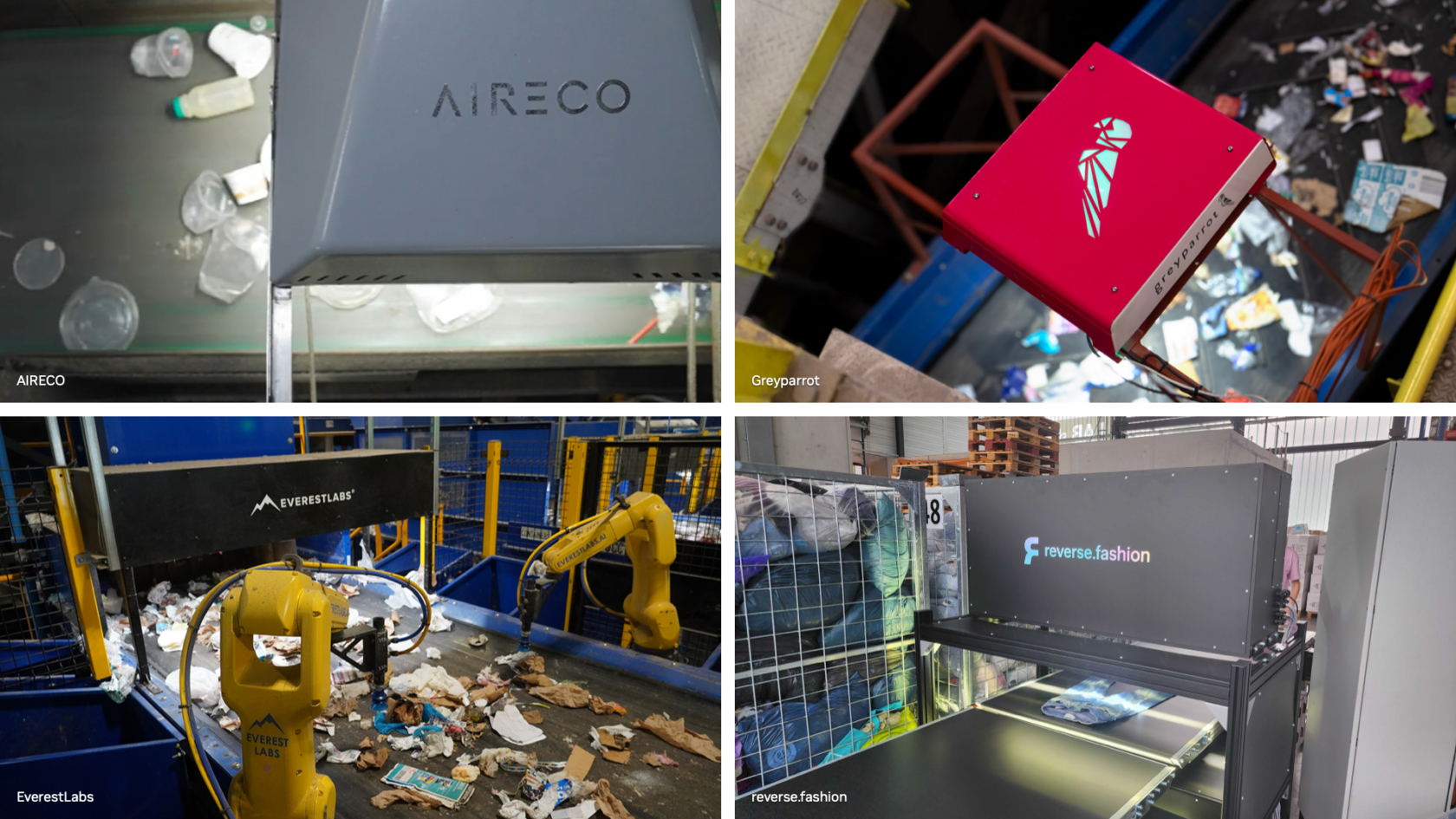
Vision AI on the sorting line is one of the least glamorous and most defensible uses of the technology, and the numbers these startups report are worth taking seriously, with caveats.

The Verge's experts measure the Huang scandal in the AI race's scarcest currency, time, and land on an irony: the episode may end up handing Washington the chip-control law Nvidia fought.

Laid end to end, the Huang timeline reads less like a sudden scandal and more like a slow compliance failure, with warnings landing at Nvidia's customer gate for two years.

Handing its agent-security runtime to a neutral foundation is the right move for NVIDIA, and it quietly sets the terms for how autonomous agents get fenced in on Kubernetes.

NVIDIA is shrinking a reasoning driving model to run inside the car, and the honest hard part is proving a smaller model's explanations still match what it actually does.

Agents spend most of their lives waiting, and Kubernetes was built for services that never stop; NVIDIA's open-source Agent Substrate is a serious attempt to fix that mismatch.

Cutting inference cold starts from minutes to seconds sounds like an ops footnote, but it changes how quickly AI capacity can follow demand and recover from failure.