I Saw the Future of Robotics in a Virtual Duck That Chases My Cat
A reporter trained a simulated robot duck to hunt down his cat in a few hours, and the real story is how much robot-training drudgery frontier models can now absorb.
Desk
Robots, embodied AI, and automation hardware.

A reporter trained a simulated robot duck to hunt down his cat in a few hours, and the real story is how much robot-training drudgery frontier models can now absorb.

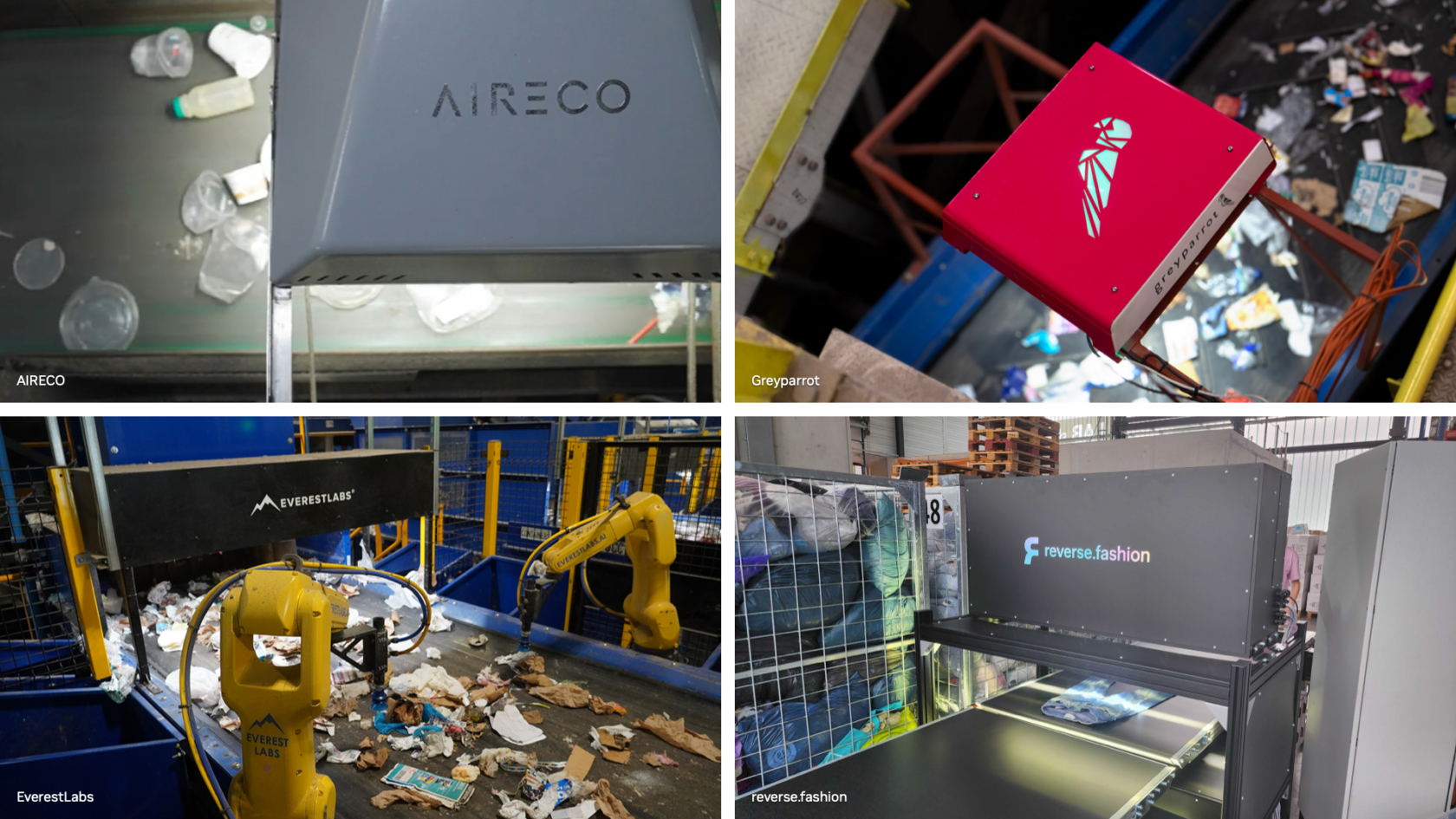
Vision AI on the sorting line is one of the least glamorous and most defensible uses of the technology, and the numbers these startups report are worth taking seriously, with caveats.

Ring wants cameras that move on their own through homes and offices, and the hardware may be clever, but the company's surveillance track record is the real product question here.
Google DeepMind's new robotics model posts a 96% pick rate on real Mercedes-Benz lines, and the most interesting story is how much a frontier model helped build it.

Nvidia's Holoscan 5 tutorial turns a modest robot arm into a hand-guidable machine, and its real pitch is making real-time control timing visible instead of mysterious.

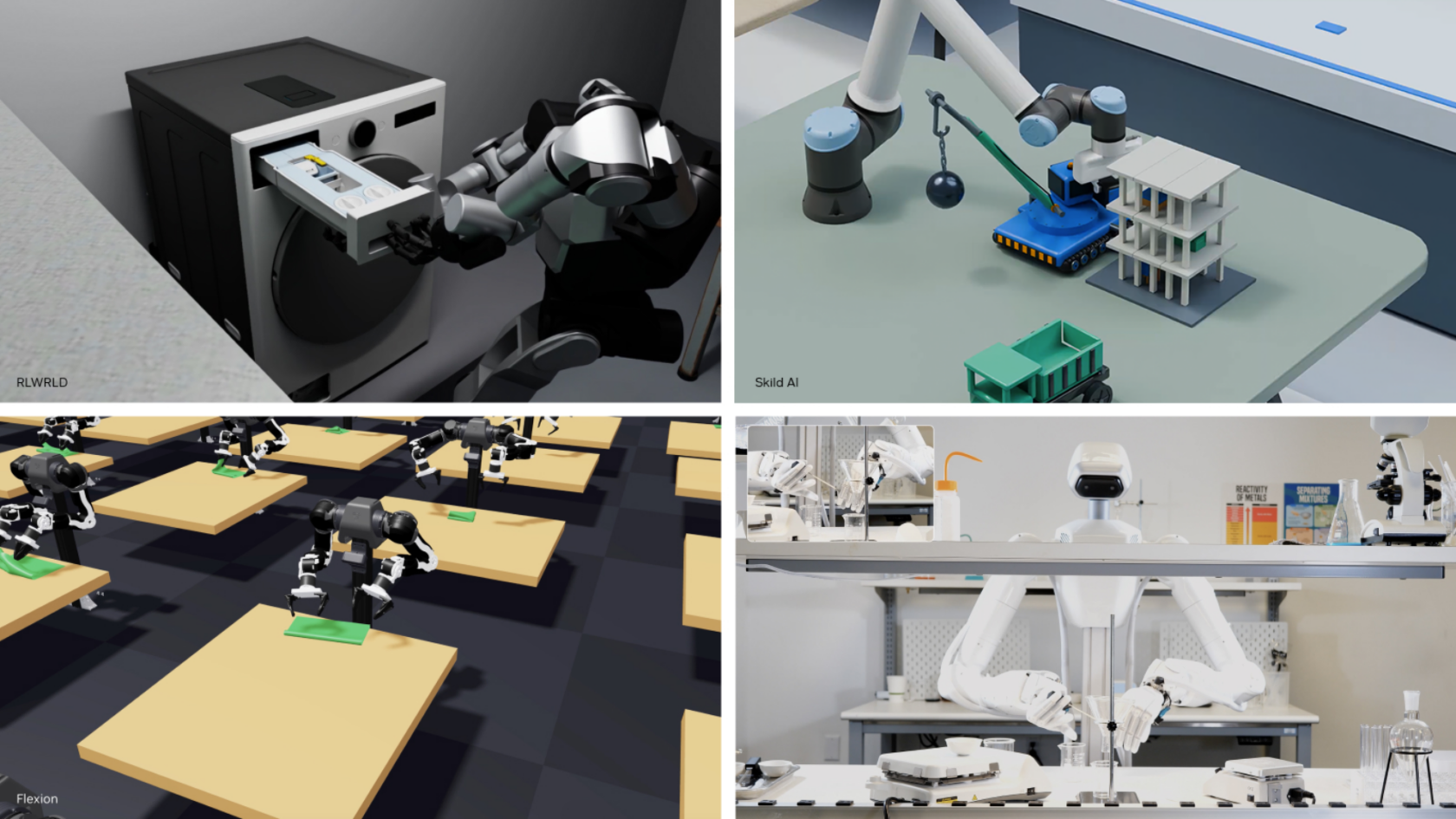
Nvidia is pushing robot learning from walking to fiddly hand work, betting simulation and agents can teach cable swaps and gear alignment before a real arm touches a part.

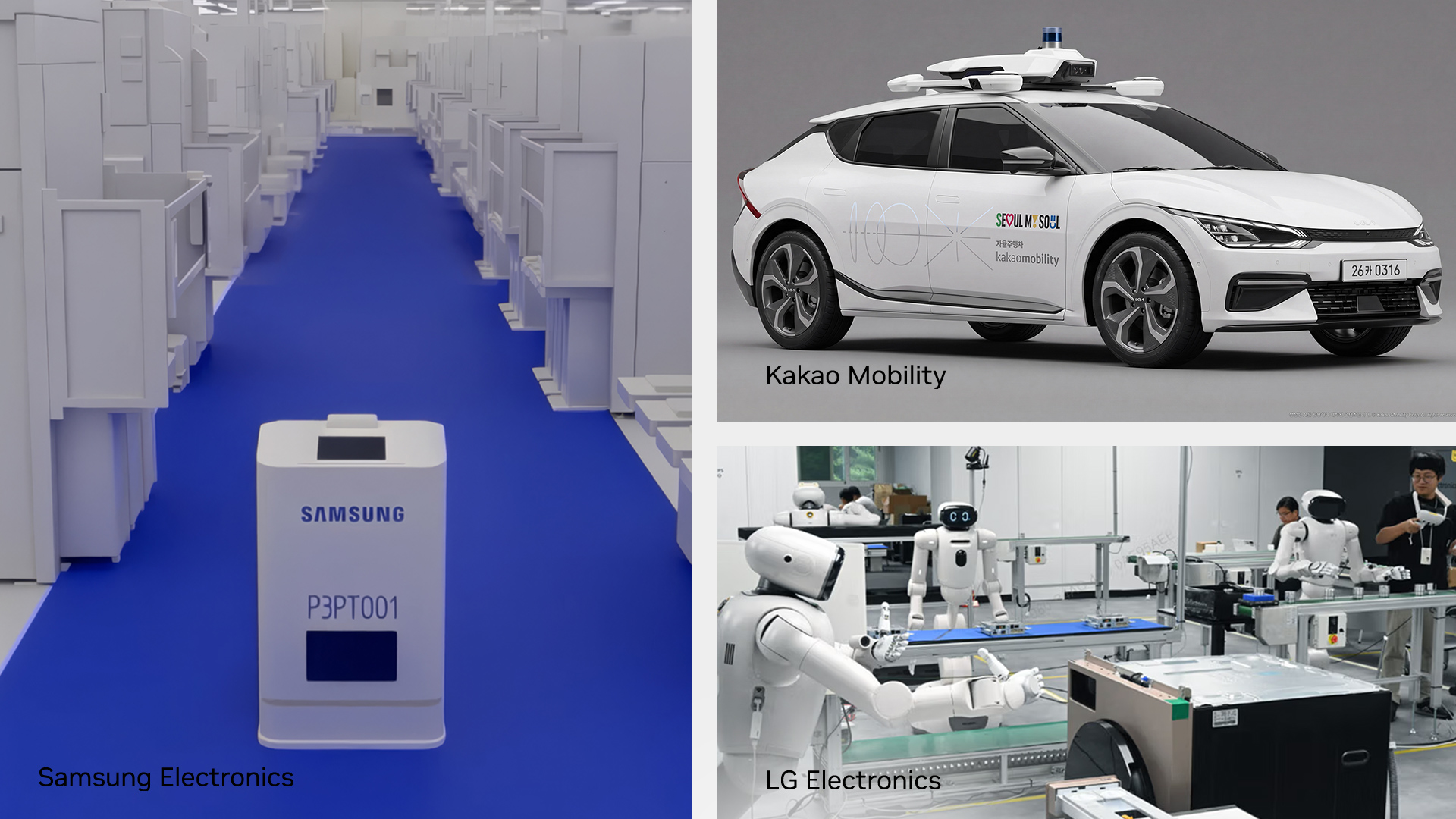
The most useful number in NVIDIA's Korea physical-AI roundup isn't about robots at all; it's a Samsung chip simulation that dropped from about 18 hours to 41 seconds.

The next training set is not more text — it's the physical world, reconstructed so robots and driverless cars can practice before they touch anything real.

Ai2's ToyBlocks gives robot researchers a petri dish — a simulated arm and lettered blocks with auto-generated demos — so they can measure what models actually learn instead of guessing from brittle demos.

MIT Technology Review sent a Tau Robotics humanoid to clean a San Francisco apartment — charming, teleoperated, sometimes drunken on stairs — and captured how far home robots still are from true autonomy.

NVIDIA is shrinking the distance between a developer's desk and a robot or car, making local model serving a few commands instead of a weekend of setup.

One shared opt-out for AI training is a real win for publishers, but it still asks the web to say no rather than asking AI companies to ask first.