Nebius tests the neocloud playbook with $40 billion in planned spending
Nebius wants to spend $40 billion next year mostly on its customers' money, and the stalled New Jersey site shows how quickly that kind of financing can get shaky.
Desk
Investment and venture news in AI.

Nebius wants to spend $40 billion next year mostly on its customers' money, and the stalled New Jersey site shows how quickly that kind of financing can get shaky.

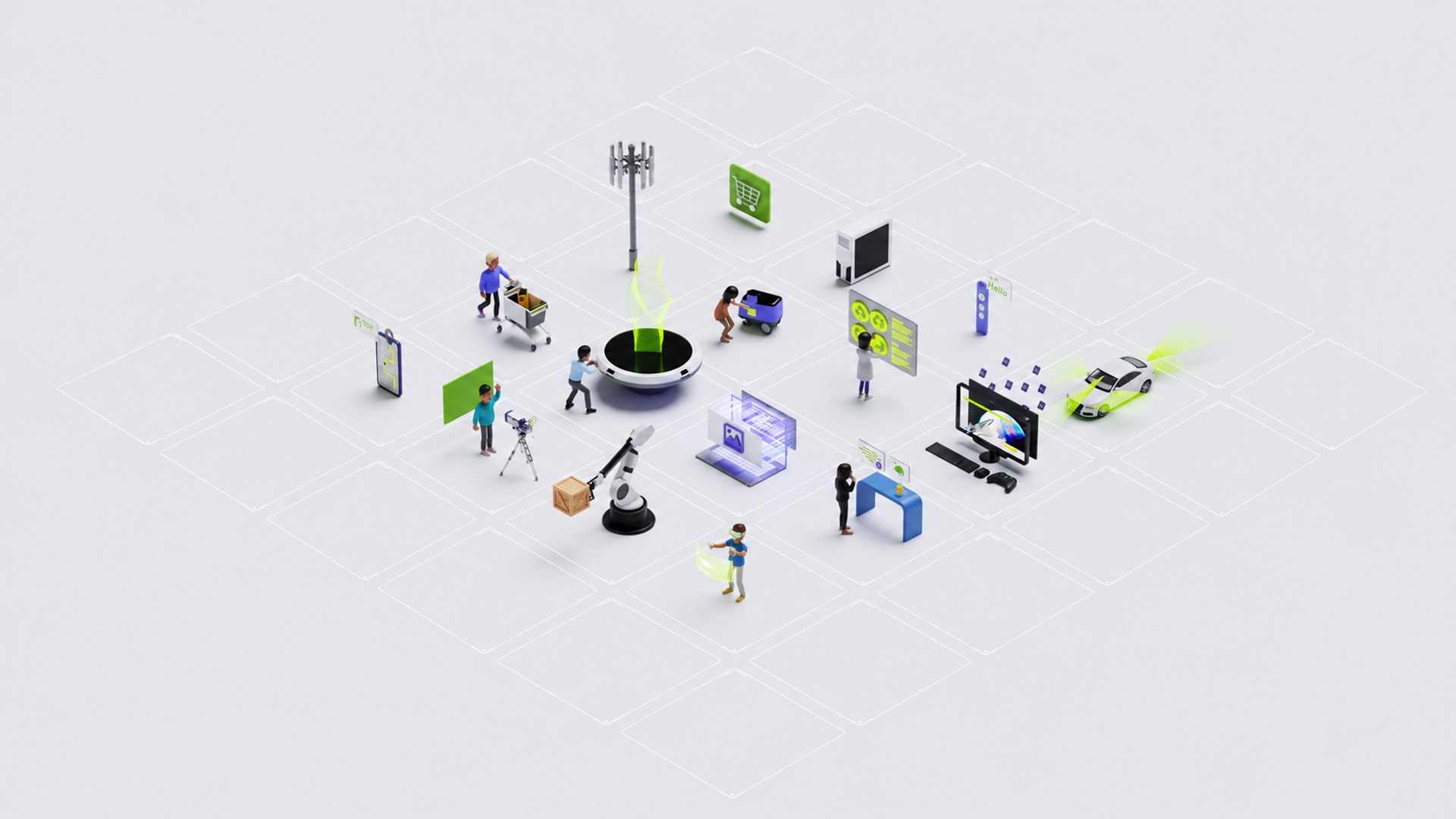
The open-model movement in America leaned heavily on one executive's clout; with him gone, we're about to learn whether Nvidia's openness was strategy or personality.

NVIDIA's Korean startup checks look small next to its giant deals, but the picks show where it wants to own the stack: chip interconnect, open-weight models, robot hands and enterprise document work.

Bloomberg says OpenAI has taken $11 billion so far toward a round that could reach about $20 billion at $1.25 trillion — well under the $30 billion target floated in September.

Franklin Templeton is wiring Codex and OpenAI tooling into a "connected intelligence" layer so portfolio managers see diverse research views and risks — not a narrower feed of what they already like.

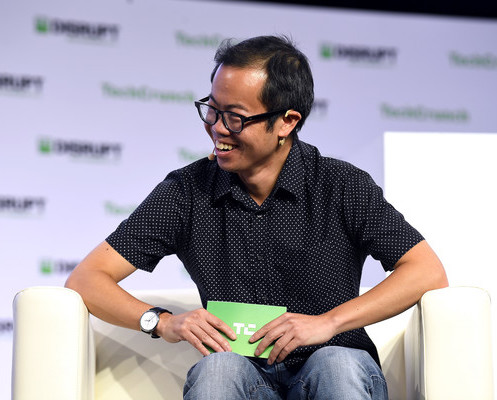
Trajectory is betting that the people who know what good work looks like, such as lawyers, analysts and doctors, should be able to teach a model directly, without a research team in between.

OpenAI cutting its raise from thirty to twenty billion dollars is less a crisis than a temperature reading, and the temperature on AI infrastructure money is dropping.

A forecast of a high junk rating doesn't make Anthropic a weak business, but it does put a price on the gap between AI's revenue story and the debt needed to fund it.

Strip away the Halloween framing and this is a genuinely good use of agents: letting scientists steer a radio telescope and process terabits of data in real time, right at the instrument.

Microsoft is putting voluntary buyouts in front of roughly a quarter of its workforce, and we think it's the clearest look yet at what an AI-first company is planning for headcount.

General Compute is betting that the way to survive a shakeout among AI clouds is to stay small and flexible, run on non-Nvidia inference chips, and plug in wherever there's spare power.

A reported $30 billion raise at a $1.25 trillion valuation tells us OpenAI still prefers private money to public scrutiny, and that the IPO bar keeps rising.