llama.cpp v1.0.0 : A stronger foundation for the local AI ecosystem
A version number sounds boring, but llama.cpp promising stable interfaces is a quiet signal that local, private AI is becoming infrastructure people can build businesses on.
Desk
Meta AI research, Llama, and related products.

A version number sounds boring, but llama.cpp promising stable interfaces is a quiet signal that local, private AI is becoming infrastructure people can build businesses on.

Anthropic's consumer agent shows its strongest use is catching what falls between email, Slack and docs, and its weakest is pretending to understand tone or do the creative work.

Meta's quiet confession here is that ad models are outgrowing its hardware, so it now uses machine learning and agents to ration compute request by request.

Anthropic's office-suite push is really a bet that the next wave of AI adoption is people who will never open a terminal, made under heavy pre-IPO pressure to prove it.

Facebook is letting people tell its feed what they want in plain words, and the engineering shows how hard Meta had to work to make a stated preference beat engagement.

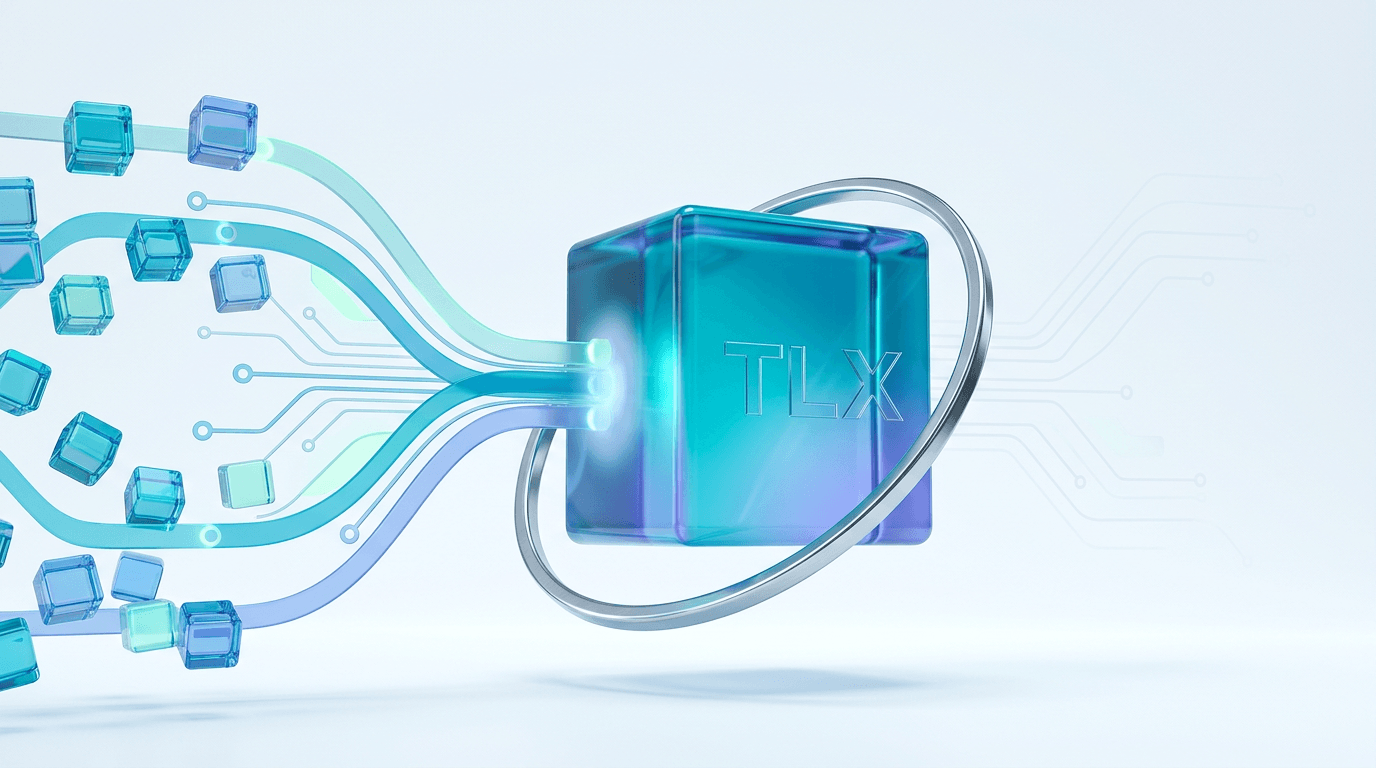
Meta's TLX is a quiet but meaningful bet that GPU performance shouldn't belong only to CUDA specialists, and it's already running Meta's largest training jobs.

eBay quietly blocking outside AI agents is a reminder that the agentic shopping future depends on retailers' permission, and many of them aren't giving it.

Muse on the wrist is less about smartwatches than about Meta trying to make its agent the one people reach for first, everywhere, before habits harden around a rival.

Meta's newest Muse model is not built to impress in a chat window. It is built to be cheap, multimodal labor underneath agents, and that is where the real price war is heading.

Apple is finally trying to turn Siri from a voice remote into an agent that finishes tasks, and it's doing so from behind, under pressure, on a compressed clock.
The open MoE field agrees on token-choice routing and almost nothing else — and names like “17B active” hide routers that size, score, and balance experts in incompatible ways.
NVIDIA’s Dory 4B turns extra reasoning compute into a load-time loop count — one 3.7 GB file, four budgets — but the GGUF quietly defaults to the most expensive setting on an unmerged llama.cpp fork.