llama.cpp v1.0.0 : A stronger foundation for the local AI ecosystem
A version number sounds boring, but llama.cpp promising stable interfaces is a quiet signal that local, private AI is becoming infrastructure people can build businesses on.
Company file
Meta publishes open-weight Llama models and applied research across ads, social products, and infrastructure.
Tools: Llama

A version number sounds boring, but llama.cpp promising stable interfaces is a quiet signal that local, private AI is becoming infrastructure people can build businesses on.


The Verge connected Anthropic’s consumer agent to work email, calendar, Docs and Slack for a week. It caught a real deadline crunch, nagged about a promise that wasn’t urgent, and raised fair questions about coworkers who never opted in.

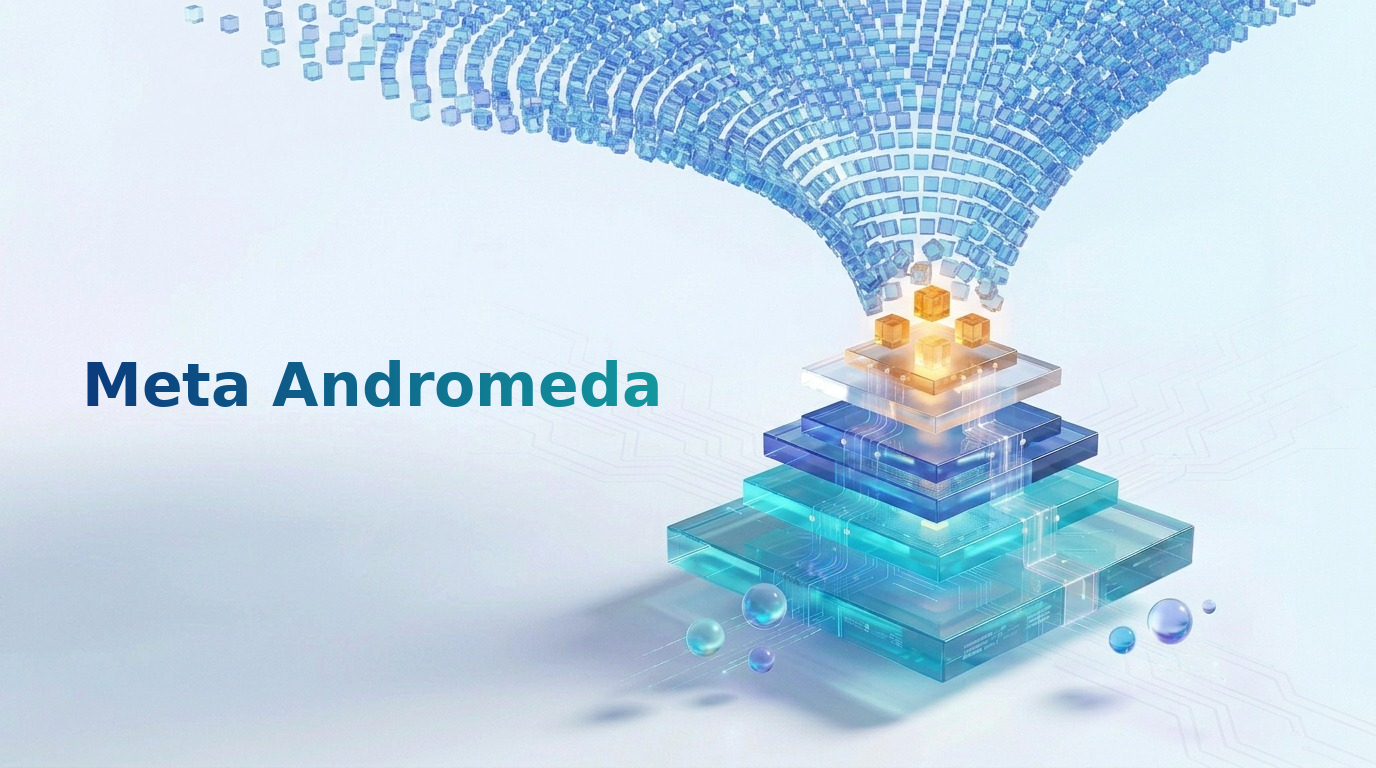
Meta's quiet confession here is that ad models are outgrowing its hardware, so it now uses machine learning and agents to ration compute request by request.

Anthropic won developers with Claude Code. Its new office tools and in-app connectors aim at everyone else, and they arrive under pre-IPO pressure to show revenue beyond coding.

Facebook is letting people tell its feed what they want in plain words, and the engineering shows how hard Meta had to work to make a stated preference beat engagement.

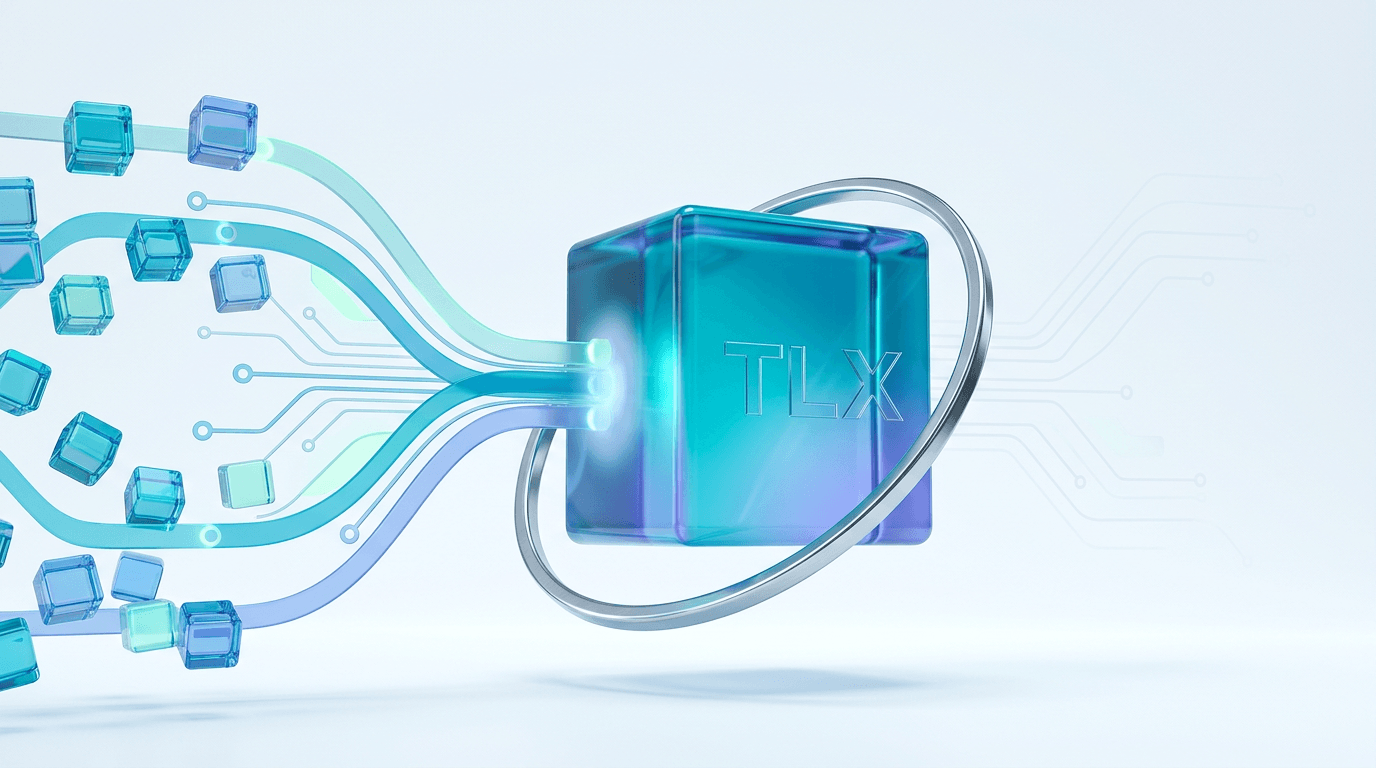
Meta's TLX is a quiet but meaningful bet that GPU performance shouldn't belong only to CUDA specialists, and it's already running Meta's largest training jobs.

eBay quietly blocking outside AI agents is a reminder that the agentic shopping future depends on retailers' permission, and many of them aren't giving it.

Muse on the wrist is less about smartwatches than about Meta trying to make its agent the one people reach for first, everywhere, before habits harden around a rival.

Meta’s newest Muse model isn’t built to impress in a chat window. It is cheap, multimodal labor for the thousands of small calls agents make, and it pushes the price war to the bottom of the stack.

Apple is finally trying to turn Siri from a voice remote into an agent that finishes tasks, and it's doing so from behind, under pressure, on a compressed clock.
The open MoE field agrees on token-choice routing and almost nothing else — and names like “17B active” hide routers that size, score, and balance experts in incompatible ways.
NVIDIA’s Dory 4B turns extra reasoning compute into a load-time loop count — one 3.7 GB file, four budgets — but the GGUF quietly defaults to the most expensive setting on an unmerged llama.cpp fork.

Spaces gives Meta’s Muse agent persistent rooms for trips, gift lists or DIY projects that sync with connected apps in the background. It is a smart fix for chat’s memory problem and a larger privacy surface.

Meta has indefinitely paused a commercial-terms rewrite that would have forced Facebook page owners to let the company train AI on linked sites — including behind paywalls — with no real opt-out.

Muse Voice is live for everyone in the U.S. — call and video chat with a customizable Jolly avatar that gestures with the conversation, ahead of Meta's year-end Muse Charm wearable.

Meta president Dina Powell McCormick says Democratic midterm wins and anti-data-center campaigns will make building harder — and admits the industry sold the benefits poorly.

Amazon, Microsoft, Alphabet, and Meta just told Wall Street they will keep pouring hundreds of billions into AI infra even as returns stay murky — and midterm politics may be the only brake in sight.

With phone sales down roughly 20% year over year, Qualcomm is pointing investors at data-center chips and a path from hundreds of millions to $15 billion by 2029.

Meta just bought Conductor, a young agentic coding startup, as Muse Code and Muse agents race to catch up — and Conductor’s cloud shuts down on November 20.

Uber says third-party AI agents booked just four rides and about 500 food orders last quarter — a rounding error that still tells us how the disintermediation fight will go.

Meta untangled when its ads features ship from how they run, and the lesson about memory layout and release boundaries reaches well beyond advertising.

A Verge editor with no coding background turned a $50 Meta-approved dev board into a better Muse Charm than the box version, and the lesson is about hardware, not Meta.

Meta says Muse is already a big shopper, but the companies on the receiving end are reporting a trickle, and that gap tells us more about agentic commerce than either side's talking points.

Meta quietly launched Style Sketch in Indonesia, Singapore and Thailand. It builds a virtual wardrobe from Instagram photos and shows outfits on a model matched to your body and skin tone. Useful, and a new category of personal data for an ad company.

Meta is slowing down terms that publishers feared would open their sites to AI training. Backlash worked this time, but the underlying question of consent is still unanswered.

Meta rebuilt the first stage of its ad machine to score every eligible ad at more than a billion per second, an engineering feat that makes ad targeting cheaper, sharper and harder to escape.

Meta is testing a cute pixel pet that wants to hear about your day, and we think the cuteness is the point and the problem.

After eight years at Meta, most recently at Meta Superintelligence Labs, Rohit Patel is launching Ndoc with a three-person team. Its documents expose the citations and Python behind every number, and it plans an open browser-readable format.

A one-day, six-agent bake-off shows always-on assistants have finally become useful, but the winner costs $100 a month and every one of them wants the keys to your inbox.

An AI agent that never gets bored broke a simple 20-minute cart hold, and The RealReal's fix shows how fast retailers are rewriting the rules for automated shoppers.