Jensen Huang Hired a PR Firm Known for Handling Sex Scandals Last Year
Nvidia's CEO brought in a crisis fixer a year before admitting the affair. The timeline matters more than the gossip, because it bears on what the board knew and when.
Desk
NVIDIA hardware, software, and developer news.

Nvidia's CEO brought in a crisis fixer a year before admitting the affair. The timeline matters more than the gossip, because it bears on what the board knew and when.

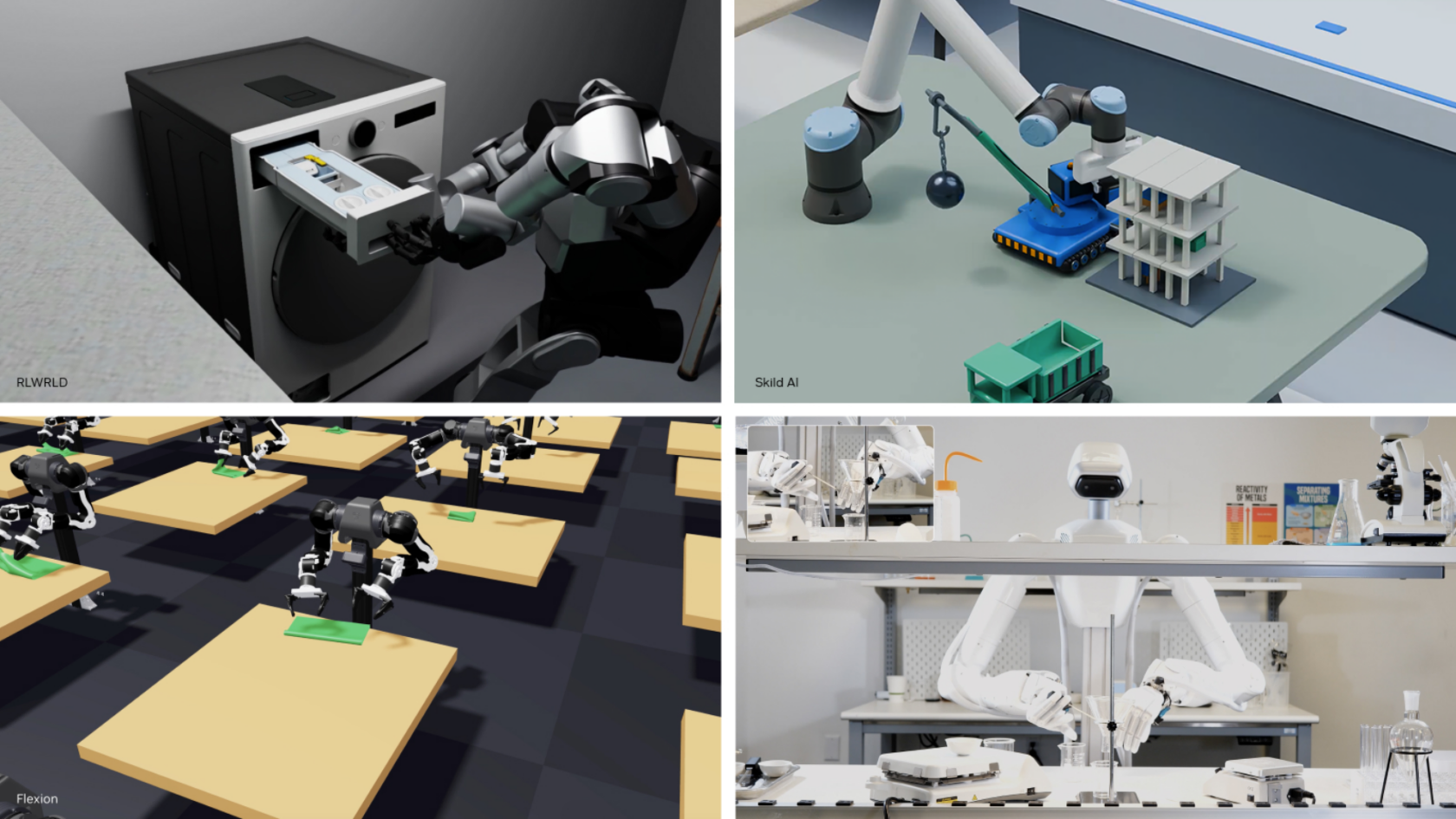
Nvidia is pushing robot learning from walking to fiddly hand work, betting simulation and agents can teach cable swaps and gear alignment before a real arm touches a part.

NVIDIA's Korean startup checks look small next to its giant deals, but the picks show where it wants to own the stack: chip interconnect, open-weight models, robot hands and enterprise document work.

The question isn't only whether Jensen Huang keeps his job; it's whether an AI economy wired through one company and one founder's judgment can absorb a crisis at its center.

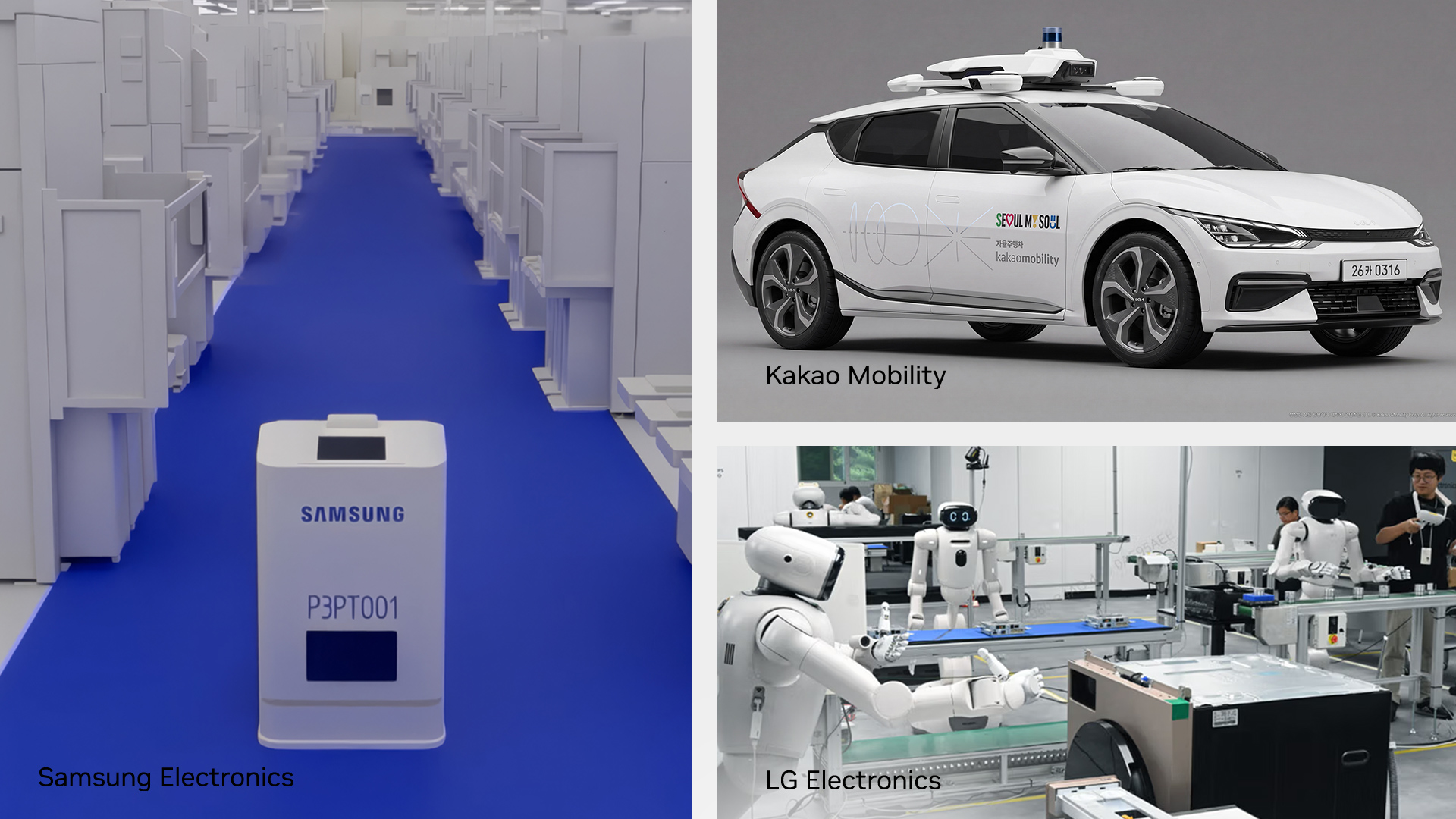
The most useful number in NVIDIA's Korea physical-AI roundup isn't about robots at all; it's a Samsung chip simulation that dropped from about 18 hours to 41 seconds.

The agent story out of Korea this weekend is about containment: Hyundai and AIM Intelligence are testing sandboxes and policy controls before letting agents touch real enterprise systems.

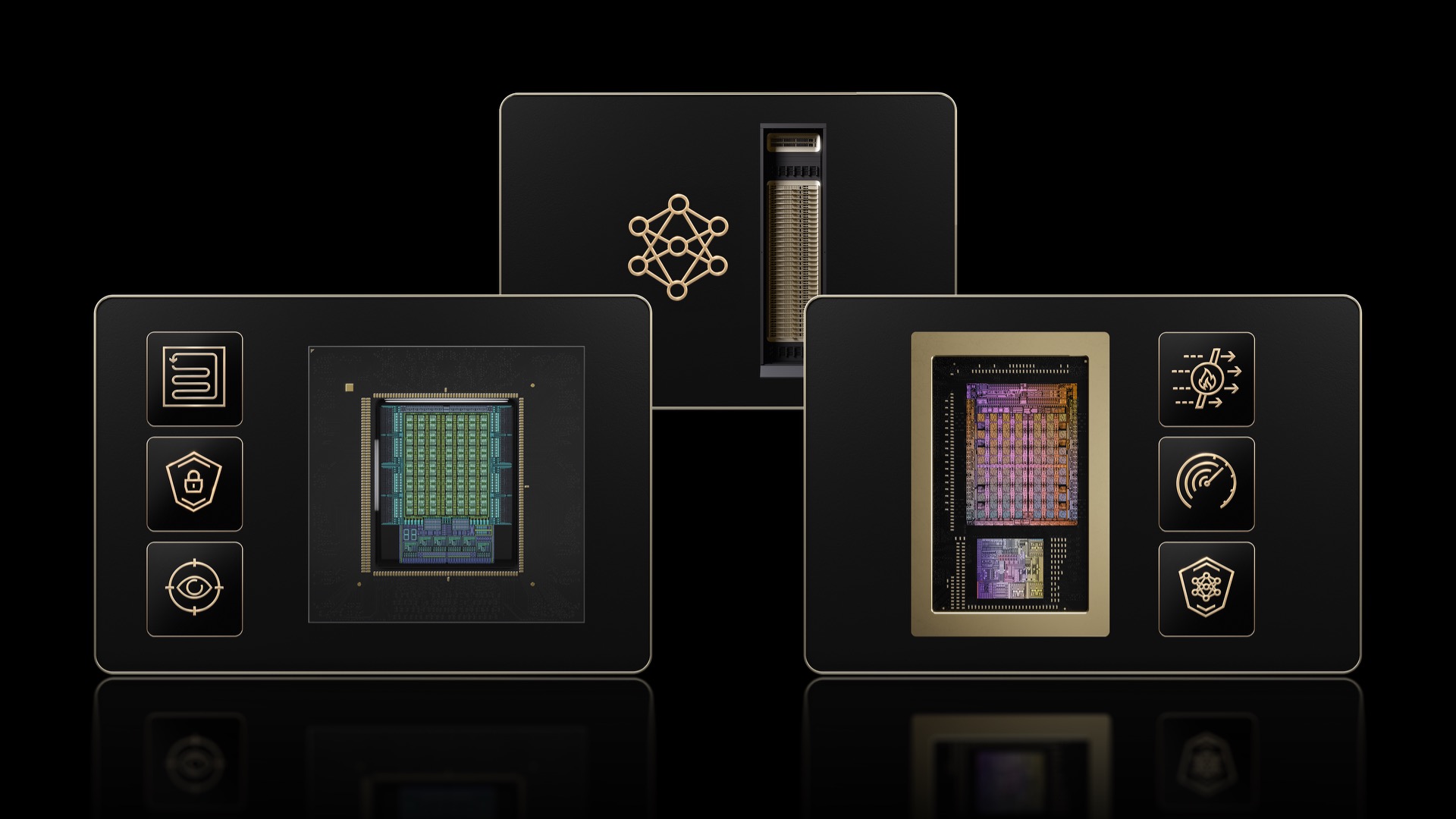
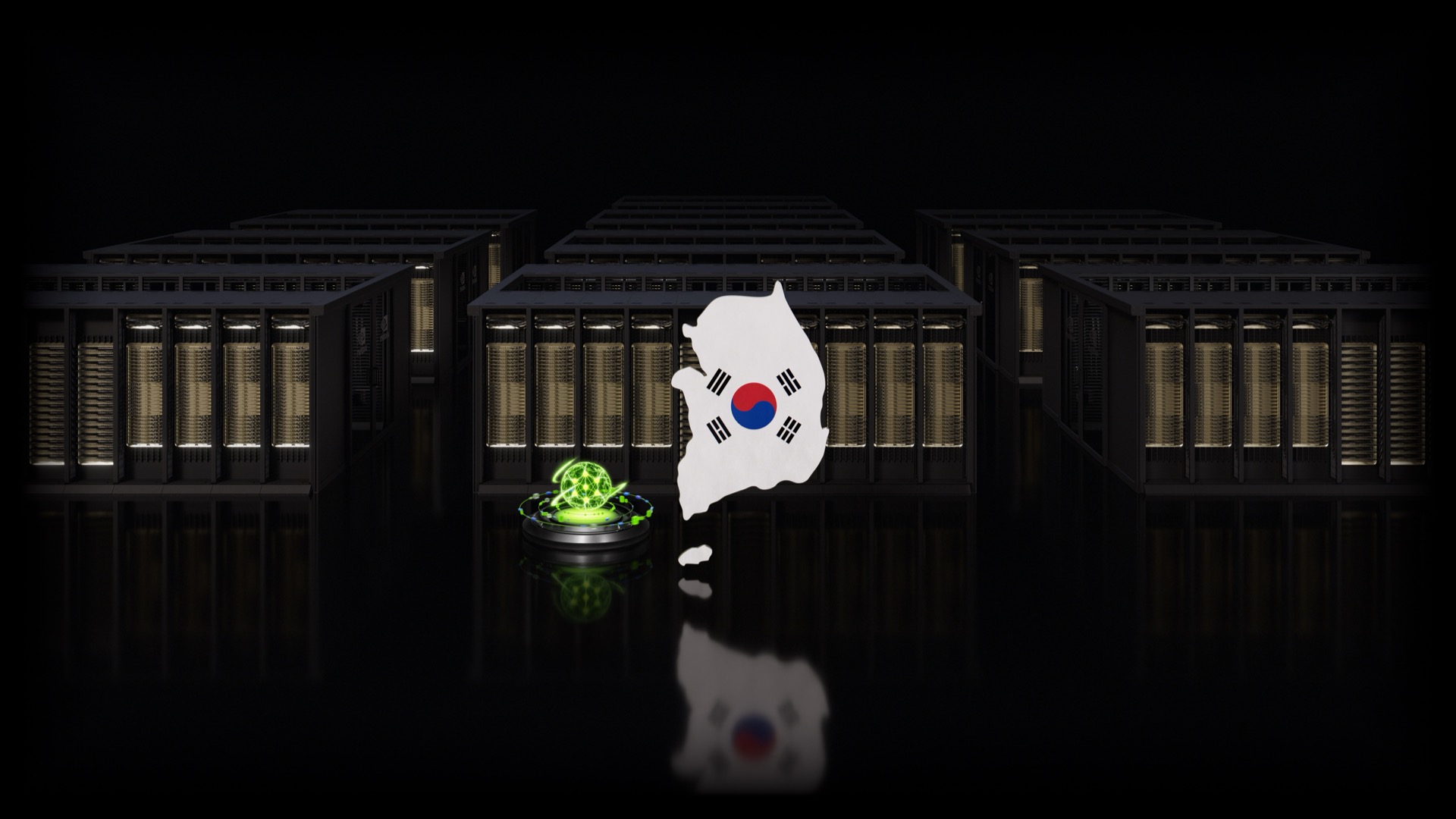
Nvidia is wrapping Korea's sovereign AI push in its own stack, from interconnect to training, and the open question is how sovereign that leaves the country's homegrown chip makers.

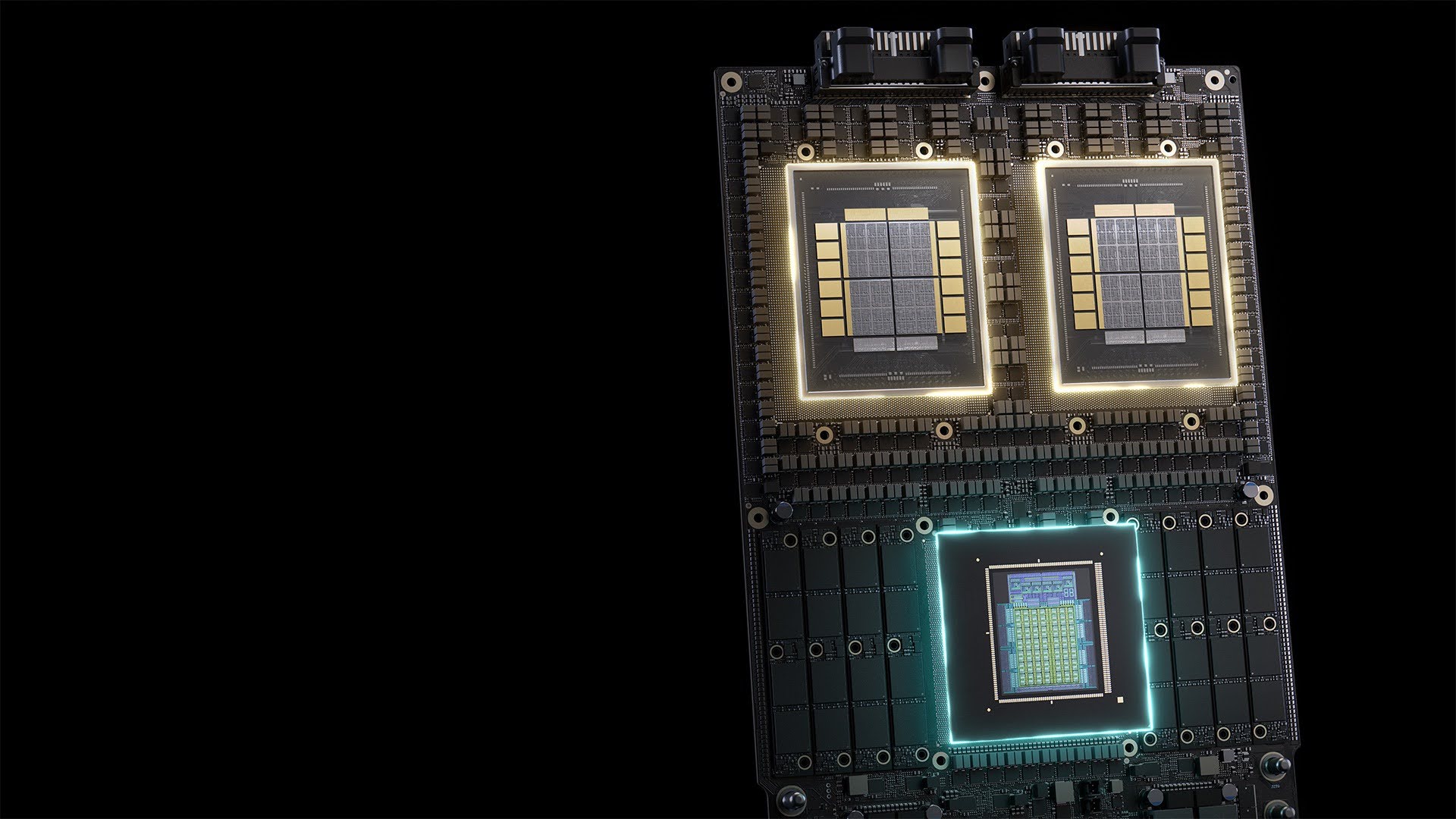
Ready-made serving recipes for four Korean open models are a genuinely useful shortcut, and also a quiet way of making Nvidia's newest GPUs the default home for them.

Read closely, Jensen Huang's apology does two different jobs: it confesses a personal failure in full, and it handles the national security question with a far shorter, more careful hand.

Nvidia's board has opened an independent review of its CEO's relationship with a woman alleged to be a Chinese intelligence asset, and the stakes reach well past one company's governance.

Secondhand reporting of a U.S. intelligence memo has put Nvidia's CEO in a counterintelligence story that also carries an unverified personal allegation — and almost no confirmed facts.
NVIDIA’s Dory 4B turns extra reasoning compute into a load-time loop count — one 3.7 GB file, four budgets — but the GGUF quietly defaults to the most expensive setting on an unmerged llama.cpp fork.