
AIOct 29, 2026The Verge
Microsoft’s AI future has fewer jobs
Microsoft is putting voluntary buyouts in front of roughly a quarter of its workforce, and we think it's the clearest look yet at what an AI-first company is planning for headcount.
Desk
Microsoft AI products, Azure, and Copilot.
Microsoft is putting voluntary buyouts in front of roughly a quarter of its workforce, and we think it's the clearest look yet at what an AI-first company is planning for headcount.

Ten billion dollars in one quarter shows Microsoft and OpenAI are rivals on paper and still financially welded together, and that concentration cuts both ways.

Whatever the AI bubble debate says, Microsoft's books say the money is real for now, and the bill for building it keeps setting records too.

Copilot on smart TVs is shutting down quietly, a reminder that an assistant nobody asked for in the living room was never a strong product.
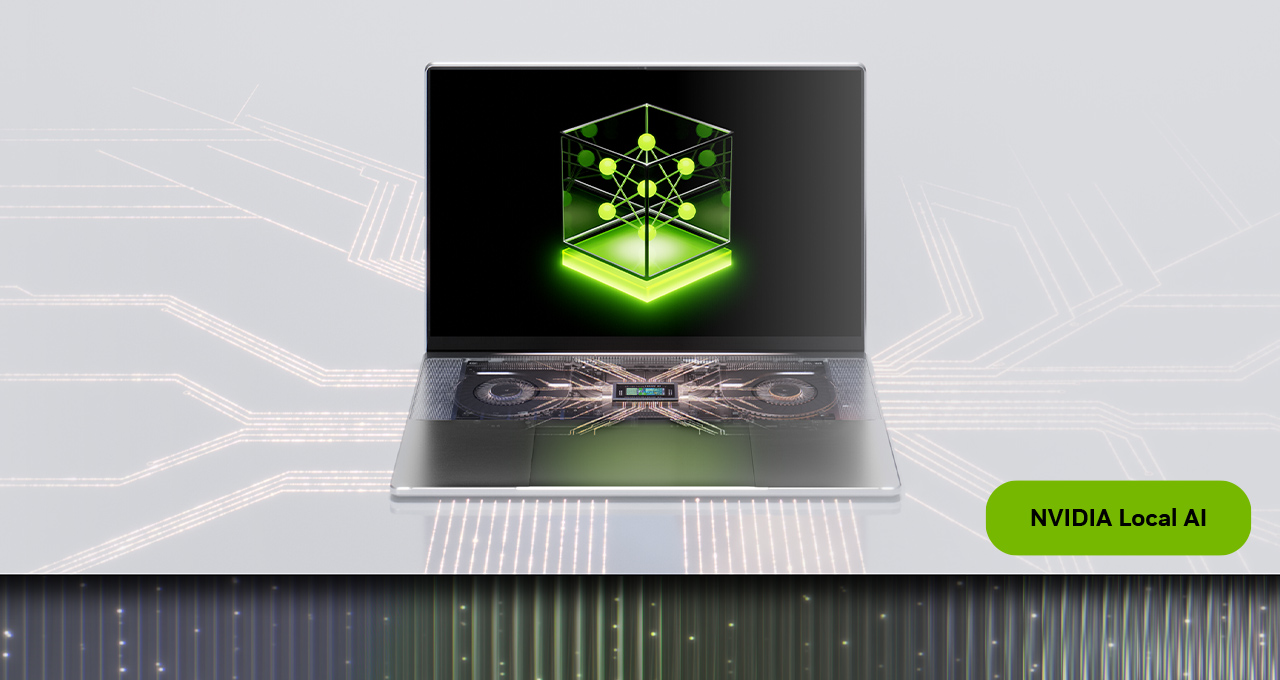
Nvidia's pitch for RTX Spark is that serious AI work, including always-on agents, now fits in a three-pound laptop, and this week's model drops make that pitch more concrete.

After eight years at Meta, most recently at Meta Superintelligence Labs, Rohit Patel is launching Ndoc with a three-person team. Its documents expose the citations and Python behind every number, and it plans an open browser-readable format.

Microsoft is offering buyouts to as many as 60,000 people, a softer way to shrink than layoffs, and the teams included say a lot about where the company is placing its bets.
A hands-on Letta walkthrough shows what agent memory looks like when you can actually inspect it, and why visible, editable state beats a black-box assistant that quietly remembers.
OpenAI's storage story is less about databases than about a lesson every fast-growing company learns: at enough scale, a managed service stops being managed and becomes a shared operation.

Microsoft's diagnostic AI beat generalist doctors on hard cases in a peer-reviewed simulation, but the real test starts now in a Boston emergency department.

One stolen set of backup credentials let state-aligned hackers walk into about 2,250 organizations, and AI agents are why it happened at nearly 3,000 sign-ins a minute.

Microsoft Research wants AI agents to make charts people can click, filter and explore, and it's tackling that by handing the hard part to a compiler instead of the model.