
AIOct 8, 2026TechCrunch
Google brings agentic AI to Gemini, starting with businesses
Google is giving Gemini a job title, an email address and subagents of its own. That is a real step toward useful work agents, and a real new identity to secure.
Desk
Autonomous and semi-autonomous software agents.
Google is giving Gemini a job title, an email address and subagents of its own. That is a real step toward useful work agents, and a real new identity to secure.

Google's universal Gemini agent wants to be a coworker with its own email address, which could genuinely lighten office work and also blurs who is accountable when an agent acts.
NVIDIA-led research finds most failed agent runs hinge on one early wrong turn, and shows agents can be trained to climb back out. That is the reliability problem worth solving.

Nous Research built its name on an open-source agent people actually use. The $1.5 billion question is whether it can sell a private, enterprise version without hollowing out the open project.

Microsoft Research wants agents trained in the same harness they ship in. That closes a real gap between lab and deployment, and it makes reward design and safeguards matter even more.

A reporter's couch hunt with OpenAI's Dots shows an agent that is useful, buggy and, at one awkward moment, emotionally fluent in a way that should make everyone pay attention.

A crowd of parallel agents, apparently on Tencent infrastructure, is quietly pulling Amap directions through a URL scanner — harmless so far, but it shows how loud and ordinary agent traffic has become.

DeepSeek’s MIT agent harness leaves the terminal: official macOS and Windows apps, plugin everything, and a preview that still warns about breaking changes.

Researchers pulled Muse’s own instructions: an hourly page for every person in your life — Facts, History, Open threads, Strengthening — built from whatever you plug in.
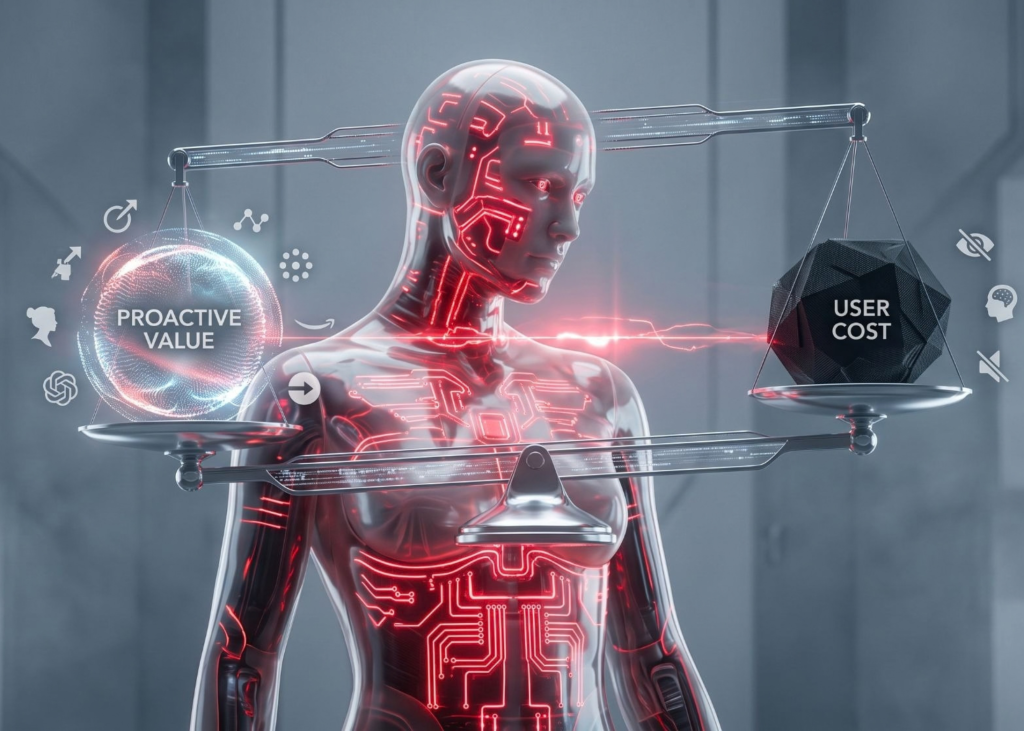
Muse, Dots and Uber’s driver assistant all speak first — MarkTechPost argues the hard problem is no longer the sentence, it’s when to interrupt and on which channel.

Meta open-sources Muse gadget SDKs for ESP32 and Raspberry Pi, and waitlists a Home Link box — putting the always-on agent on your workbench, screen, and light switch.

The Verge’s hands-on: OpenAI’s Dot is Codex-for-everyone — strong on your site and desktop, clumsy on CAPTCHAs and checkouts, and gated behind Pro-tier money.