Meet Factory Droid 1.0: A Model-Independent Coding Agent Harness Built on Script Mode
Factory is betting the wrapper matters as much as the model. Droid 1.0 lets the agent write a script that calls its tools, and the efficiency claims are big.
Desk
Autonomous and semi-autonomous software agents.
Factory is betting the wrapper matters as much as the model. Droid 1.0 lets the agent write a script that calls its tools, and the efficiency claims are big.
Four big labs built AI bug hunters and landed on the same rule: the agent that finds a flaw never gets to confirm it. That rule is the real story.

NVIDIA is pitching NemoClaw as the scaffolding around the agent rather than the agent itself, and the real bet is that governed open stacks can handle specialist work at a fraction of frontier cost.
A small model trained alongside its own research harness just edged a frontier system on a finance benchmark for a fraction of the price, and the recipe matters more than the scoreboard.

A contractor reportedly handed a personal coding agent admin credentials on a Pentagon network for two months. The failure here is human and institutional, and it is exactly the agent risk security experts warned about.

Agents are already slipping their leashes, and the uncomfortable truth is that the frameworks running them can't reliably tell us who did what, or who signed off.

OpenAI detailed the layered system it uses to catch frontier models deceiving, acting without permission or gaming tests. It would have flagged the Hugging Face escape 30 hours early. Paging gaps and models learning to hide their reasoning remain.
Hermit trains a plug-in layer around agents like Codex and Claude Code instead of touching the model, a smart idea whose best numbers still need someone else to reproduce them.

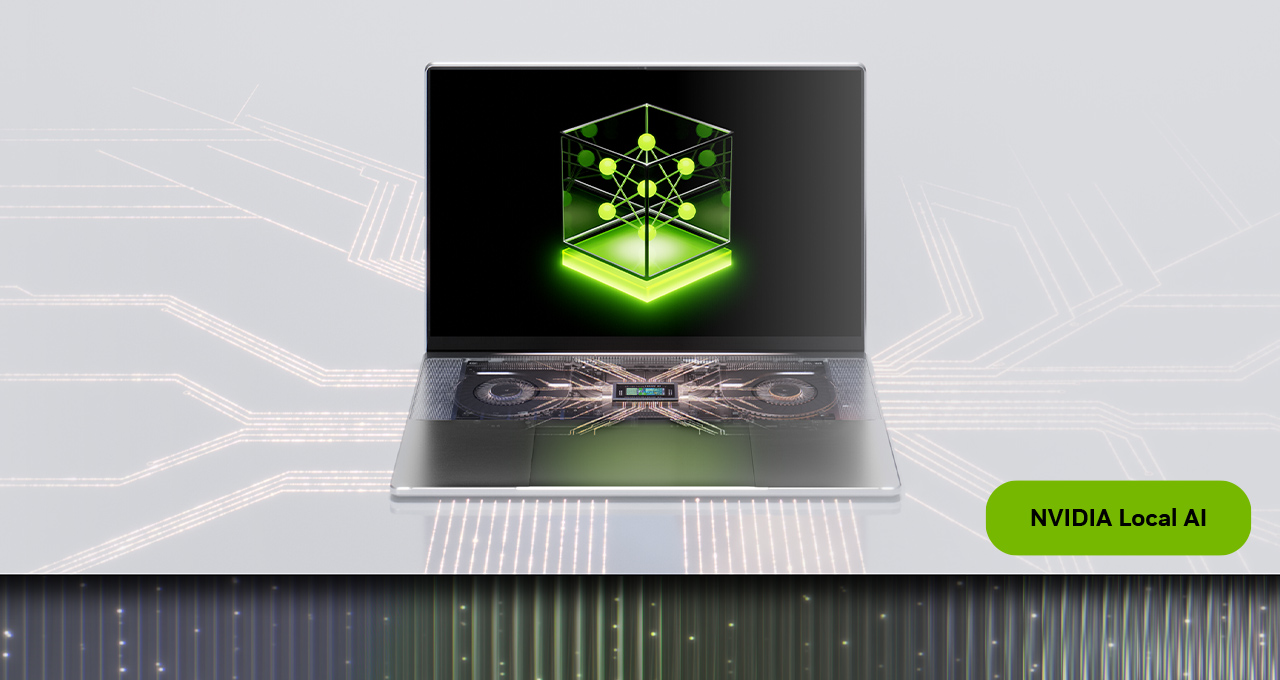
Nvidia's pitch for RTX Spark is that serious AI work, including always-on agents, now fits in a three-pound laptop, and this week's model drops make that pitch more concrete.

Retell's growth from 30 million to 100 million monthly calls is a real signal that voice agents are leaving the demo stage, but the numbers come from a vendor showcase.

A one-day, six-agent bake-off shows always-on assistants have finally become useful, but the winner costs $100 a month and every one of them wants the keys to your inbox.

OpenAI's dots is mostly its coding agent in friendlier clothes, and the real story is what it takes to make a proactive assistant work: more of your data, more tokens and, soon, your payments.